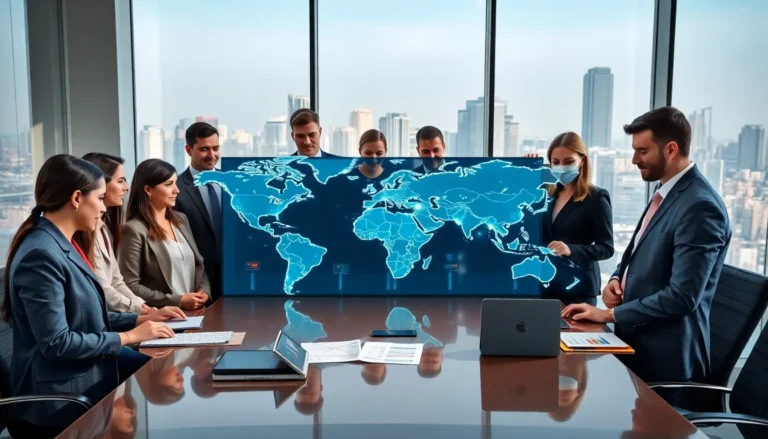
Global affairs ideas shape how nations interact, cooperate, and compete on the world stage. From climate negotiations to digital governance, these ideas influence policies that affect billions of people. Understanding modern global affairs requires examining the key forces at play: shifting power dynamics, technological disruption, economic ties, and growing citizen participation. This article explores the major themes driving international relations today and offers a clear framework for understanding how global affairs ideas continue to evolve in response to new challenges and opportunities.
Table of Contents
ToggleKey Takeaways
- Global affairs ideas are shaped by climate diplomacy, economic interdependence, technological competition, and growing citizen participation.
- Climate change now drives security concerns, with water scarcity, food insecurity, and migration creating new sources of international conflict.
- Trade policies are shifting from large multilateral deals to regional and bilateral agreements, emphasizing supply chain resilience and economic security.
- Artificial intelligence and cybersecurity have become central to great power rivalry, reshaping how nations compete and cooperate.
- Grassroots movements and digital tools empower citizens to influence global affairs ideas and hold governments accountable.
- Private tech companies increasingly affect international outcomes through their control of critical infrastructure and content moderation decisions.
Key Themes Driving International Relations Today
Several core themes dominate global affairs ideas in 2025. Nations face shared challenges that require collective action, yet national interests often pull in different directions. Two areas stand out as particularly influential: environmental diplomacy and economic relationships between countries.
Climate Change and Environmental Diplomacy
Climate change has become central to global affairs ideas. Rising temperatures, extreme weather events, and sea level rise create risks that cross national borders. No single country can solve these problems alone.
Environmental diplomacy now occupies a prominent place in international discussions. The Paris Agreement established a framework for reducing carbon emissions, but implementation remains uneven. Developed nations face pressure to lead on emissions cuts while also funding adaptation efforts in developing countries.
Global affairs ideas around climate increasingly connect to security concerns. Water scarcity, food insecurity, and climate migration create new sources of conflict. Military leaders and foreign policy experts now include climate risks in their strategic assessments.
The transition to renewable energy also reshapes global power dynamics. Countries rich in lithium, cobalt, and rare earth minerals gain new importance. Traditional oil exporters must adapt their economies and foreign policies to a changing energy landscape.
Economic Interdependence and Trade Dynamics
Economic ties form another pillar of modern global affairs ideas. Supply chains connect factories across continents. Financial markets move trillions of dollars across borders daily. This interdependence creates both opportunities and vulnerabilities.
Trade agreements shape economic relationships between nations. Recent years have seen a shift away from large multilateral deals toward regional and bilateral arrangements. The USMCA, RCEP, and various EU trade agreements reflect this trend.
Global affairs ideas around trade now include concerns about resilience and security. The COVID-19 pandemic exposed risks in concentrated supply chains. Many countries now pursue policies to diversify suppliers and bring critical manufacturing closer to home.
Sanctions have become a common tool in international disputes. The United States, European Union, and other powers use economic pressure to influence behavior. These measures affect global affairs ideas by demonstrating that economic connections carry political implications.
Currency dynamics also matter for global affairs. The US dollar remains dominant in international trade and reserves, but alternatives gain attention. Digital currencies and payment systems outside Western control represent new frontiers in global economic competition.
How Technology Is Reshaping Global Governance
Technology transforms global affairs ideas in profound ways. Digital tools create new channels for cooperation, but they also introduce fresh sources of conflict and competition between nations.
Artificial intelligence stands at the center of great power rivalry. The United States and China compete for leadership in AI development. This race influences global affairs ideas because AI capabilities could shift economic and military balances. Countries develop national AI strategies and seek to attract talent and investment.
Cybersecurity concerns now feature prominently in diplomatic discussions. State-sponsored hacking, ransomware attacks, and digital espionage create tensions between nations. Global affairs ideas must address questions about acceptable behavior in cyberspace and how to attribute responsibility for attacks.
Social media platforms affect global affairs ideas by changing how information spreads. Disinformation campaigns can influence elections, inflame conflicts, and undermine trust in institutions. Governments struggle to balance free expression with efforts to limit harmful content.
The governance of the internet itself generates debate. Some countries favor an open, global network. Others prefer national controls over data flows and content. These competing visions shape global affairs ideas about digital sovereignty and human rights online.
Emerging technologies raise new governance questions. Autonomous weapons, genetic engineering, and space activities all require international rules. Existing institutions often struggle to keep pace with technological change, creating gaps that complicate global affairs.
Private companies play larger roles in areas once dominated by governments. Tech giants control critical infrastructure and hold vast amounts of data. Their decisions about content moderation, encryption, and market access influence global affairs ideas and outcomes.
Grassroots Movements and Citizen Engagement in World Affairs
Global affairs ideas no longer flow only from governments and institutions. Citizens and grassroots movements increasingly shape international discussions and outcomes.
Climate activists have pushed environmental issues up the global agenda. Youth-led movements demand faster action from political leaders. These campaigns influence global affairs ideas by mobilizing public opinion and creating pressure on decision-makers.
Human rights advocacy connects local struggles to international attention. Social media allows activists to document abuses and reach global audiences. International solidarity campaigns can shift global affairs ideas by highlighting issues that governments might prefer to ignore.
Diaspora communities influence relations between their home and host countries. They send remittances, maintain cultural connections, and sometimes engage in political advocacy. These transnational ties add complexity to global affairs ideas by creating constituencies with interests in multiple nations.
Civil society organizations participate in international forums alongside governments. They bring expertise, represent affected communities, and monitor compliance with agreements. Their involvement enriches global affairs ideas by introducing perspectives that official delegations might overlook.
Digital tools lower barriers to participation in global affairs. Citizens can follow negotiations, access documents, and communicate with delegates in real time. This transparency changes the dynamics of international discussions and influences how global affairs ideas develop.
But, civic space faces pressure in many countries. Restrictions on assembly, expression, and association limit citizen engagement. The tension between open societies and authoritarian control represents a defining contest in contemporary global affairs ideas.