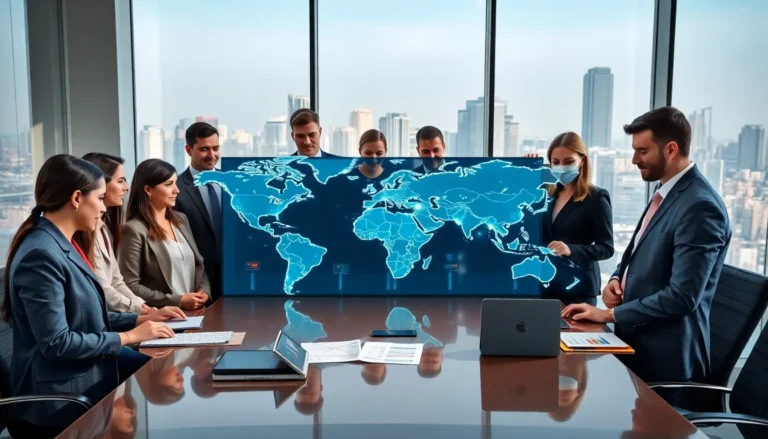
A solid global affairs guide helps readers make sense of world politics and international relations. Every day, decisions made in distant capitals affect local economies, security, and daily life. Understanding these connections matters more than ever.
This global affairs guide breaks down the essentials. It explains what global affairs actually means, identifies the major players, and covers the pressing issues shaping our world. Readers will also find practical tips for staying informed about world events without feeling overwhelmed.
Table of Contents
ToggleKey Takeaways
- A global affairs guide helps readers understand how political, economic, and social interactions between nations affect everyday life.
- Nation-states, international organizations, and non-state actors like corporations and NGOs are the key players shaping world events.
- Climate change, geopolitical competition, economic inequality, and cybersecurity are the most pressing global issues in 2025.
- Diversifying news sources and following expert analysis from think tanks provides deeper, more balanced understanding of international relations.
- Building global affairs literacy requires engaging critically with information and understanding the historical context behind current events.
What Are Global Affairs?
Global affairs refers to the political, economic, and social interactions between countries and international organizations. It covers everything from trade agreements and diplomatic negotiations to military alliances and humanitarian efforts.
At its core, global affairs examines how nations work together, or against each other, to pursue their interests. These interests include national security, economic growth, and cultural influence. The field also studies how non-state actors like multinational corporations, NGOs, and international bodies shape world events.
Think of global affairs as the study of relationships on a massive scale. Just as individuals form friendships, rivalries, and partnerships, countries do the same. They sign treaties, impose sanctions, form alliances, and sometimes go to war.
The scope of global affairs has expanded significantly in recent decades. Climate change, cybersecurity threats, and pandemics now require coordinated international responses. A disease outbreak in one country can become a global crisis within weeks. A cyberattack on infrastructure in one nation can disrupt supply chains worldwide.
For anyone seeking to understand current events, grasping global affairs fundamentals provides essential context. Headlines about trade disputes, military conflicts, or diplomatic summits make more sense when readers understand the underlying power dynamics and historical relationships.
Key Players in International Relations
Several categories of actors drive international relations. Understanding who they are helps clarify why global affairs unfolds the way it does.
Nation-States
Countries remain the primary actors in global affairs. The United States, China, Russia, and members of the European Union wield significant influence due to their economic and military power. Smaller nations also matter, they vote in international bodies, form regional alliances, and sometimes punch above their weight diplomatically.
International Organizations
The United Nations serves as the largest forum for international cooperation. It addresses conflicts, coordinates humanitarian aid, and sets global standards. Other organizations focus on specific areas: the World Trade Organization handles trade disputes, NATO manages collective defense, and the World Health Organization coordinates health responses.
The International Monetary Fund and World Bank influence economic policies worldwide. Their lending decisions and policy recommendations shape how developing nations manage their economies.
Non-State Actors
Multinational corporations increasingly influence global affairs. Companies like Apple, Amazon, and major oil producers have economic outputs rivaling small countries. Their investment decisions, supply chain choices, and lobbying efforts affect international policy.
NGOs like Amnesty International, Doctors Without Borders, and Greenpeace advocate for human rights, humanitarian assistance, and environmental protection. They shape public opinion and pressure governments to act.
Terrorist organizations and criminal networks also qualify as non-state actors. They disrupt international security and force countries to cooperate on counterterrorism and law enforcement.
Major Global Issues Shaping the World Today
Several critical issues dominate the global affairs landscape in 2025. These challenges require international cooperation and will define the coming decades.
Climate Change
Rising temperatures, extreme weather events, and sea-level rise threaten communities worldwide. The Paris Agreement established targets for reducing carbon emissions, but progress remains uneven. Countries debate who should bear the costs of transitioning to clean energy and adapting to climate impacts.
Geopolitical Competition
Tensions between major powers continue to shape global affairs. The U.S.-China relationship affects trade, technology development, and regional security in Asia. Russia’s actions in Eastern Europe have reshaped NATO’s priorities and European defense strategies.
Economic Inequality
The gap between wealthy and developing nations persists. Debt burdens, limited access to technology, and trade imbalances keep many countries from achieving sustainable growth. These disparities fuel migration, political instability, and resentment toward international institutions.
Technology and Security
Artificial intelligence, cyber warfare, and digital surveillance raise new questions about security and privacy. Countries compete for technological leadership while struggling to establish norms for responsible use. Social media platforms influence elections and public discourse across borders.
Public Health
The COVID-19 pandemic exposed gaps in global health coordination. Countries now focus on preparing for future outbreaks, ensuring vaccine equity, and strengthening the WHO’s capacity to respond to health emergencies.
How to Stay Informed About World Events
Keeping up with global affairs doesn’t require hours of daily reading. A few strategic habits can build solid understanding over time.
Diversify News Sources
Readers should consult multiple outlets with different perspectives. Major international sources include Reuters, the BBC, Al Jazeera, and the Associated Press. Reading publications from different regions helps avoid blind spots and bias.
Follow Expert Analysis
Think tanks and research institutions provide deeper context than daily news. The Council on Foreign Relations, Brookings Institution, and Chatham House publish accessible analysis on global affairs topics. Their experts often explain why events matter beyond the immediate headlines.
Use Podcasts and Newsletters
Time-pressed readers can absorb information through podcasts during commutes or workouts. Shows like “The Daily” from The New York Times or “Global News Podcast” from the BBC cover major developments efficiently. Email newsletters curate important stories and save time.
Understand Historical Context
Current events make more sense with historical background. Conflicts often have roots stretching back decades or centuries. Investing time in understanding regional histories pays dividends when interpreting today’s headlines.
Engage Critically
Not all sources deserve equal trust. Readers should verify claims, check for bias, and remain skeptical of sensationalized coverage. Good global affairs literacy includes knowing when information is incomplete or potentially misleading.